Gingerbread Bear Embroidery Design Review
As an experienced embroidery designer preparing for the upcoming holiday craft fair season, I approach every new machine embroidery design with a critical eye toward production efficiency and retail appeal. When evaluating the Gingerbread Bear Embroidery Design for my upcoming booth inventory, my primary focus is not just on digital aesthetics, but on how this motif translates from screen to physical merchandise. For fellow Etsy sellers, boutique makers, and creative entrepreneurs, understanding the tangible value of a digital asset is what separates hobbyists from profitable business owners. This review breaks down the practical application of this festive motif for commercial embroidery and handmade market success.
First Impressions and Market Positioning
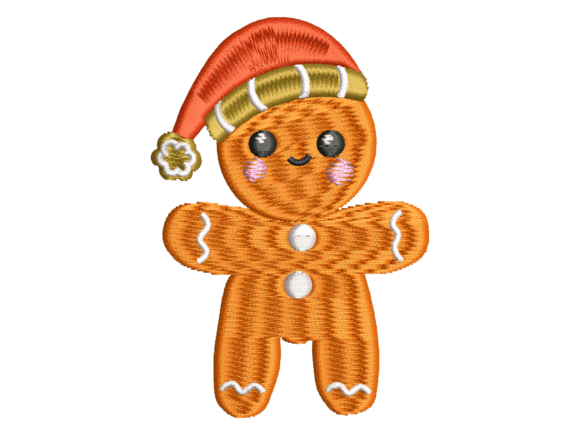
Upon opening the ZIP file containing the Gingerbread Bear Embroidery Design, the immediate impression is one of nostalgic warmth combined with modern clarity. The aesthetic strikes a balance between traditional farmhouse charm and contemporary vector art, making it versatile enough for various customer demographics. It does not feel overly juvenile, which expands its selling potential beyond children’s wear into home decor and adult accessories. For a craft fair product, this visual maturity is essential. Customers at handmade markets are often looking for items that feel curated and high-quality rather than generic clip art. The gingerbread bear motif suggests texture and comfort, evoking sensory memories of baking and holiday traditions, which creates an instant emotional connection at the point of sale.
From a production standpoint, the design appears optimized for visibility. The silhouette is distinct, meaning it can be recognized from several feet away across a crowded vendor table. This "glance factor" is crucial for booth displays where you have seconds to capture attention. Whether positioned as a central focal point or a subtle accent, the Gingerbread Bear Embroidery Design communicates "handmade holiday" without requiring explanatory signage.
Best Performing Products for Craft Fairs
Not every embroidery file performs equally across all substrates. Based on the characteristics of this gingerbread bear motif, I have identified specific products that offer the highest return on investment for weekend markets and online listings.
- Tea Towel Embroidery: This is arguably the strongest application for this design. Flour sack towels or waffle-weave cotton provide a smooth canvas that allows the stitch definition to shine. The gingerbread theme aligns perfectly with kitchenware, making these towels high-volume impulse buys. The design size typically fits well within standard 4x4 or 5x7 hoops, allowing for rapid batch production.
- Tote Bag Design: Canvas tote bags are staples for Etsy seller inventories. The Gingerbread Bear Embroidery Design works exceptionally well on natural unbleached canvas, where the warm brown and white thread colors create a rustic, organic look. These bags serve as walking advertisements at the fair and have a higher perceived value when the embroidery is centered and properly stabilized.
- Apron Embroidery: Holiday baking aprons are seasonal bestsellers. Placing this design on the chest pocket area or the lower hem of a linen apron adds a premium touch. Because aprons are worn during messy activities, the density of the gingerbread bear stitches helps prevent fabric show-through, maintaining a professional appearance even after washing.
- Embroidered Patch: For makers who want to diversify without committing to full garments, creating standalone patches is a smart move. The solid fill areas in this design make it ideal for patch production using merrowed edges or heat-seal backing. These can be sold individually or applied to denim jackets and caps as custom upgrades at the booth.
Production Practicalities and Technical Considerations
While the Gingerbread Bear Embroidery Design is visually appealing, successful commercial embroidery requires technical diligence. Before listing any finished product, you must address specific manufacturing variables to ensure consistency and quality.
Fabric Texture and Stabilizer Selection
The performance of this design relies heavily on your choice of stabilizer. If stitching on textured tea towels or terry cloth, a water-soluble topping is non-negotiable. Without it, the finer details of the bear’s face or icing lines may sink into the pile, resulting in a muddy, undefined image. For canvas tote bags, a medium-weight cutaway stabilizer provides the necessary support to prevent puckering around dense satin stitch borders. Always test the design on scrap fabric identical to your final product; what works on polyester felt may fail on linen.
Stitch Density and Thread Colors
Review the stitch density settings before running a full production batch. Gingerbread motifs often feature solid fills that can become bulletproof if over-digitized. Excessive density leads to needle breaks, distorted fabric, and longer run times that eat into profit margins. Conversely, insufficient density on dark fabrics can cause the base material to show through. Verify that your thread colors match the intended palette; variegated threads can add beautiful dimension to gingerbread textures, but they may also obscure small facial details. Solid matte threads often photograph better for printable mockup creation and online listings.
Sizing and Hoop Compatibility
Confirm the available sizes within the digital download. A design that looks charming at 4 inches may lose structural integrity if resized down to 2 inches for a baby bib. Small lettering or intricate icing details often disappear below certain thresholds. Check the hoop size requirements against your machine’s capabilities to avoid last-minute formatting issues. If you plan to sell this design as a digital asset yourself, or use it for products, remember that digital embroidery files are delivered in ZIP or RAR format. This is a digital product, no physical item will be shipped. Instant download after purchase. No returns or refunds for digital products. Understanding these terms protects both the designer and the buyer in the digital marketplace ecosystem.
Visual Merchandising and Sales Strategy
The Gingerbread Bear Embroidery Design influences more than just the product; it dictates the merchandising strategy. At a craft fair, group items by color story rather than product type. Display the embroidered tea towels alongside matching oven mitts and wooden spoons to create a cohesive vignette. The bear motif acts as the visual anchor that ties disparate items together, encouraging multi-item purchases.
For online sales, photography is paramount. The tactile nature of embroidery demands good lighting to show stitch direction and sheen. Avoid flat-lay photos that flatten the texture; instead, shoot at an angle to highlight the dimensionality of the gingerbread bear. Use lifestyle shots showing the tote bag being carried or the apron being worn to help customers visualize scale and utility. High-quality images of the actual stitched product build trust far more effectively than digital renderings alone.
Designer Notes for Commercial Success
To maximize the potential of this small shop product, adhere to these professional guidelines:
- Create Real Mockups: Never rely solely on software simulations. Stitch out at least one sample in your target fabric to verify registration and color accuracy. Photograph this sample for your listings to demonstrate authenticity.
- Verify Licensing: Before selling finished goods, confirm the commercial usage rights associated with the Gingerbread Bear Embroidery Design. Some designers restrict mass production or require attribution. Respecting intellectual property is fundamental to sustainable business practices.
- Batch Production Efficiency: Group similar colors and fabrics to minimize thread changes and re-hooping. If the design uses five specific shades, run all tea towels first, then switch to canvas bags. This workflow reduces setup time and increases output volume for the holiday rush.
- Quality Control Checklist: Inspect every item for jump stitches, bobbin thread show-through, and stabilizer residue. A single flawed item can damage your brand reputation at a local market where word-of-mouth travels fast.
- Pricing for Profit: Factor in not just thread and stabilizer costs, but also machine depreciation, electricity, and labor time. Intricate designs command higher prices; do not undervalue the skill required to produce a flawless gingerbread bear.
The Gingerbread Bear Embroidery Design represents a strong opportunity for holiday revenue when approached with professional intention. By respecting the technical requirements of the digital embroidery file and strategically selecting substrates that enhance its visual strengths, craft fair sellers and Etsy entrepreneurs can transform a simple digital download into a signature seasonal offering. Success lies in the details: proper stabilization, thoughtful color selection, and authentic presentation. Test thoroughly, produce consistently, and let the quality of your craftsmanship drive your sales this Christmas season.