Candy Cane Bow: A Holiday Embroidery Design Review
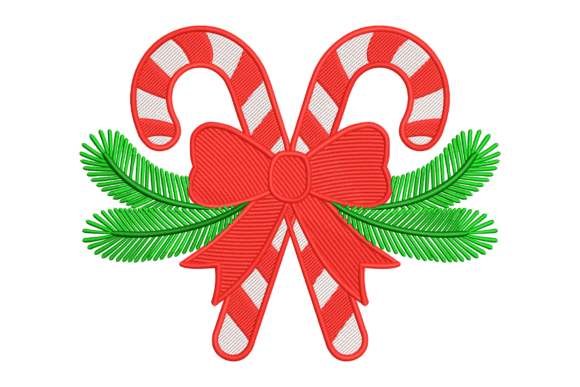
As an embroidery designer planning my upcoming seasonal collection, I am constantly evaluating which motifs will translate best from screen to fabric. When reviewing the Candy Cane Bow machine embroidery design, my immediate impression is one of classic nostalgia mixed with versatile utility. This isn't just a cute graphic; it is a foundational element for holiday merchandise. The motif features two traditional red and white striped candy canes crossed in the center, creating a balanced, symmetrical focal point that reads clearly even from a distance. For Etsy sellers and small shop product creators, this design strikes the perfect balance between playful and elegant, making it suitable for everything from children’s apparel to sophisticated table linens.
First Impressions and Seasonal Mood
The emotional tone of the Candy Cane Bow is undeniably festive yet restrained. In the world of holiday embroidery, there is often a temptation to overcomplicate designs with excessive glitter or chaotic elements. However, this digital embroidery file relies on clean lines and recognizable iconography. As a professional, I appreciate that the crossed candy canes form a natural "X" shape, which is visually pleasing and easy to center within various hoop sizes. The style feels cozy and traditional, evoking memories of family gatherings and homemade treats. It avoids being overly juvenile, meaning it can anchor a premium handmade gift line just as easily as a budget-friendly craft fair item. The symmetry suggests stability and quality, traits that build customer trust when browsing thumbnail images online.
Strategic Applications for Holiday Products
When building a seasonal inventory, versatility is key to maximizing return on investment. The Candy Cane Bow performs exceptionally well across multiple product categories because of its adaptable silhouette. Here is how I envision integrating this design into a cohesive holiday collection:
- Kitchen Towel Embroidery: This is perhaps the strongest application. The crossed canes provide enough visual weight to stand out against terry cloth or flour sack cotton without overwhelming the functional nature of the towel. It pairs beautifully with personalized monograms placed below the bow.
- Sweatshirt Embroidery: For apparel decorators, this design works as a left-chest placement on crewnecks or hoodies. It offers a subtle alternative to large, heavy back prints, appealing to customers who prefer minimalist holiday wear.
- Tote Bag Design: Canvas totes are high-margin items during the gift-giving season. The Candy Cane Bow centers perfectly on standard tote bags, serving as a festive vessel for gift wrapping or grocery shopping.
- Pillow Cover Accents: Use this motif as a corner accent or a centered medallion on throw pillows. The traditional red and white palette complements farmhouse, rustic, and modern Christmas decor styles alike.
- Ornaments and Patches: Because the design is self-contained and symmetrical, it scales down effectively for 4x4 hoops. This makes it ideal for creating embroidered patches or standalone ornaments that can be sold as add-on items to increase average order value.
Technical Considerations and Fabric Pairings
While the aesthetic appeal is high, practical execution determines commercial success. As with any seasonal embroidery project, you must verify specific technical details before production. Always check the stitch density, exact dimensions, and recommended hoop size provided with your specific embroidery file. These variables differ between digitizers and directly impact the finished product quality.
When stitching the Candy Cane Bow on thick towels or plush fabrics, stabilizer choice is critical. I recommend using a cut-away stabilizer for stretchy garments like sweatshirts to prevent distortion of the crossed canes. For kitchen towels, a tear-away or wash-away topper helps keep the red and white stripes crisp and prevents the stitches from sinking into the fabric texture. If you plan to use metallic thread for added sparkle, test extensively first; metallic threads require slower machine speeds and specialized needles to avoid breakage and fraying, especially in the detailed striping sections of the candy canes.
Navigating Small Hoop Sizes and Detail
One area requiring caution is resizing. While the Candy Cane Bow is versatile, reducing it significantly for tiny lettering or miniature ornaments can cause stitch overlap. The striped pattern relies on distinct color changes; if resized too small, these stripes may merge into a muddy pink or red blob. Always stitch out a test sample at your intended size. Additionally, be mindful of placement on curved surfaces like caps. The rigid geometry of crossed candy canes may not conform well to highly curved visors unless the design has been specifically digitized for caps. Flat brims or beanies are safer bets for maintaining the design's structural integrity.
Enhancing Buyer Emotion and Product Value
In the competitive landscape of commercial embroidery, visual recognition drives sales. The Candy Cane Bow acts as an instant semantic trigger for "Christmas," reducing the cognitive load for shoppers scanning through hundreds of listings. This immediate recognition boosts engagement on social media previews and printable mockups. When customers see a familiar, beloved symbol executed cleanly, they perceive higher value in the finished product.
Furthermore, this design supports bundling strategies. Imagine offering a "Holiday Hostess Set" featuring a kitchen towel and matching apron, both adorned with the Candy Cane Bow. The consistency creates a branded look that encourages multi-item purchases. For personalized gift buyers, this motif serves as an excellent frame or backdrop for names and dates, adding sentimental value without competing with the custom text. The emotional connection to traditional holiday symbols transforms a simple piece of fabric into a cherished keepsake, justifying premium pricing for your time and expertise.
Designer Notes for Commercial Success
Before listing products featuring the Candy Cane Bow, adhere to these professional best practices to ensure quality and compliance:
- Verify Licensing: Confirm that your digital embroidery file includes commercial licensing for selling finished products. Never assume usage rights; protect your business by checking the terms explicitly.
- Thread Color Testing: Red is notoriously difficult to match across brands. Test your thread colors on both light and dark fabric swatches. Ensure the white stripes remain bright and do not appear dingy against the red background.
- Create Realistic Mockups: Digital renderings often look too perfect. Stitch a physical sample and photograph it in natural lighting. Customers appreciate seeing actual stitch texture and scale, which reduces returns and builds confidence.
- Plan Matching Palettes: Identify the exact thread numbers used in the design so you can offer coordinating items. If a customer buys a pillow cover, they should be able to purchase a matching napkin set with identical color tones.
- Review Post-Wash Durability: Holiday linens get washed frequently. Wash and dry your test sample to ensure the stitch density holds up and the fabric doesn't pucker around the dense satin stitches of the candy canes.
The Candy Cane Bow is more than just a seasonal decoration; it is a strategic asset for embroidery businesses. By respecting its technical requirements and leveraging its broad emotional appeal, you can create a holiday collection that resonates with shoppers and stands the test of time. Whether you are crafting a limited edition apparel drop or stocking up on evergreen kitchen textiles, this design offers the reliability and charm necessary for a successful holiday selling season.