Funny Bear Embroidery Design: A Business Review
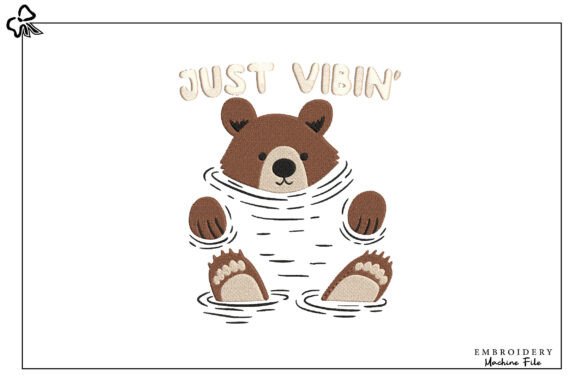
As an experienced embroidery designer specializing in commercial merchandise, I approach every new machine embroidery design with a critical eye toward production viability and brand application. When evaluating the Funny Bear Embroidery Design for small business use, my primary focus is not just on its aesthetic charm within the Baby Animals category, but on how it translates from a digital screen to a tangible asset for cafes, boutiques, and creative studios. This review assesses the design’s performance as a functional element of small business merch, examining its suitability for patches, uniforms, and branded accessories.
Visual Personality and Brand Alignment
The first impression of the Funny Bear Embroidery Design suggests a balance between playful character and professional legibility. For businesses in the hospitality or handmade sectors, this distinction is vital. The design leans into a friendly, approachable aesthetic that works exceptionally well for bakeries, florists, pet brands, and children’s apparel lines. However, unlike generic clip art, a viable commercial embroidery file must possess clear outlines and defined negative space to ensure the humor reads correctly at various sizes.
From a branding perspective, this design offers a unique opportunity to soften corporate identity without sacrificing recognition. In my experience, customers respond positively to brand identity elements that feel human and handcrafted. The "funny" aspect implies personality, which can transform a standard staff uniform into a conversation starter. Whether used as a chest logo accent or a sleeve detail, the bear motif serves as a memorable visual anchor that distinguishes a local business from larger, impersonal competitors. It signals that the brand values creativity and warmth, essential traits for Etsy sellers and artisan shops.
Commercial Applications and Merchandise Versatility
When integrating the Funny Bear Embroidery Design into a product lineup, versatility is key. Based on the typical construction of funny animal designs, here is how I evaluate its application across different custom apparel and accessory categories:
- Embroidered Patches: This is perhaps the strongest use case. The design likely translates well into a standalone embroidered patch for denim jackets, backpacks, or employee vests. Patches allow for high stitch density on a stable base before being applied to the final garment, mitigating issues with difficult fabrics.
- Apron Embroidery: For cafes and bakeries, placing this design on aprons creates immediate customer engagement. The placement should be considered carefully; upper chest positioning ensures visibility during service, while lower hem placement might get obscured by counters or tables.
- Tote Bag Design: Canvas totes are staples for boutique merchandise. The Funny Bear Embroidery Design can serve as a central graphic or a complementary tag-style mark. Because canvas is stable, it supports detailed stitching better than stretchy knits.
- Cap Embroidery: Headwear presents specific challenges due to curvature. If the bear design includes text or intricate facial expressions, it must be tested specifically for cap fronts to prevent distortion. Simplified versions often work best here.
- Product Packaging Accents: Beyond apparel, consider using the design on fabric gift bags or reusable packaging wraps. This elevates the unboxing experience for handmade product sales and reinforces brand consistency across all touchpoints.
Production Considerations and Technical Constraints
While the concept is appealing, successful commercial embroidery requires navigating technical limitations. As a designer, I must highlight areas where caution is necessary when digitizing or resizing the Funny Bear Embroidery Design.
Stitch Density and Fabric Texture
Humorous designs often rely on facial expressions or text to land the joke. High stitch density is frequently required to render these details clearly. However, excessive density on lightweight fabrics can cause puckering or tearing. If applying this to delicate baby clothes or thin performance wear, you may need to request a low-density version or utilize a heavy-weight stabilizer. Conversely, on textured fabrics like terry cloth or fleece, fine details may get lost. In such cases, increasing the column width of outlines or simplifying internal features becomes necessary to maintain readability.
Sizing and Legibility
A common pitfall in small business merch is attempting to shrink complex designs too small. Before committing to bulk production, verify the minimum size specifications of the digital embroidery file. Tiny lettering or minute facial features often turn into thread blobs when reduced below 2 inches. If the design includes funny quotes, ensure the font height remains above 4mm for satin stitches or 6mm for fill stitches to guarantee clarity after washing.
Thread Colors and Contrast
The impact of a funny bear relies heavily on contrast. When selecting thread colors, always test against the actual garment color, not just a digital preview. Dark uniforms may require a white underlay or outline to make the bear pop, while light garments might need darker definition lines. Remember that thread sheen varies by brand; matte threads offer a vintage, rustic look suitable for heritage brands, while rayon provides a vibrant, modern finish better suited for contemporary retail.
Strategic Designer Notes for Implementation
To ensure the Funny Bear Embroidery Design performs reliably in a business environment, follow these practical protocols before full-scale production:
- Verify Commercial Licensing: Never assume a digital embroidery file includes rights for selling finished products. Confirm the license terms explicitly cover commercial use, especially if selling merchandise on platforms like Etsy or at craft fairs.
- Create Printable Mockups: Before stitching, generate a printable mockup scaled to actual size. Tape it onto the intended garment or item to visualize placement and proportion. This step prevents costly hooping errors and helps gain client approval faster.
- Test on Real Substrates: Digital simulations cannot replicate fabric behavior. Always run a sew-out on the exact material and hoop size planned for production. Check for registration issues, especially where outlines meet fill areas.
- Evaluate Washability: Merchandise like aprons and tote bags face frequent laundering. Test the finished product through multiple wash cycles to ensure the design holds up without fraying or distorting. Adjust pull compensation if gaps appear post-wash.
- Assess Design Assets Cohesion: Compare this bear design beside your existing logos and graphics. Does it share a similar line weight and style? Visual consistency builds trust. If the bear feels disjointed from your main logo, consider customizing elements to bridge the gap.
- Check File Specifications: Since specific stitch counts and formats vary, always inspect the provided data. Ensure the file format matches your machine’s requirements and that the color sequence aligns with your thread inventory to minimize changeovers during apron embroidery or batch runs.
Enhancing Customer Trust Through Quality Execution
Ultimately, the value of the Funny Bear Embroidery Design lies in its execution. A poorly stitched design undermines professionalism, regardless of how cute the artwork is. By treating this design as a serious component of your business infrastructure rather than mere decoration, you elevate the perceived value of your offerings. Clean stitching, appropriate sizing, and strategic placement signal attention to detail—a quality customers directly associate with product reliability.
For small business owners, this design represents more than a novelty; it is a tool for connection. When used correctly on tote bag design projects or staff wear, it fosters an emotional link with patrons. The humor breaks down barriers, making the brand feel accessible and authentic. However, this authenticity only survives if the physical product meets quality standards. Invest time in testing, stabilizing, and refining the application of this embroidery design. The result will be merchandise that not only looks good but also withstands the rigors of daily business use, turning a simple funny bear into a lasting symbol of your brand’s character and commitment to quality.