Christmas Teddy Bear: A Craft Fair Seller's Review
First Impressions: Nostalgia Meets Market Viability
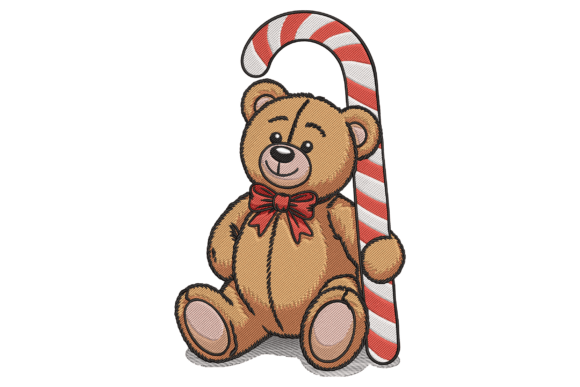
As an embroidery designer preparing for the upcoming holiday market season, my first reaction to the Christmas Teddy Bear machine embroidery design is one of immediate nostalgic appeal. In a booth filled with various seasonal items, this design reads as soft, traditional, and inherently giftable. It does not scream for attention with neon threads or aggressive humor; instead, it offers a warm, vintage aesthetic that resonates deeply with shoppers looking for sentimental handmade products. For craft fair sellers and Etsy sellers, this emotional connection is often the primary driver of impulse purchases during the holidays.
Visually, the Christmas Teddy Bear suggests a classic illustration style rather than a modern cartoon. This distinction is crucial for product placement. It feels at home on natural fabrics like linen, cotton canvas, and unbleached muslin. When I evaluate this embroidery file for commercial use, I see it functioning best as a centerpiece for heirloom-quality gifts rather than quick, low-cost trinkets. The design carries a perceived value of "handmade heritage," which allows boutique makers to price finished goods higher than generic holiday decor. However, this also means the execution must be flawless; customers expecting premium quality will scrutinize stitch definition closely.
Best Performing Products for Holiday Markets
Determining where to apply the Christmas Teddy Bear is just as important as the stitching itself. Based on current market trends and practical production experience, here is how this design performs across different categories:
- Tote Bag Design: This is arguably the strongest application. A 100% cotton canvas tote featuring a centered Christmas Teddy Bear serves as both a functional shopping bag and a reusable gift wrap alternative. The flat surface of a tote ensures excellent registration, making the bear’s facial features crisp and clear.
- Tea Towel Embroidery: Kitchen linens are craft fair staples. This design works beautifully in the lower third of a flour sack towel or waffle weave tea towel. Leave ample negative space above the bear to maintain an elegant, breathable look that appeals to farmhouse-style buyers.
- Apron Embroidery: Placing the design on the chest pocket area or the lower skirt of a holiday baking apron creates an instant uniform for family cookie-baking sessions. Ensure the hoop size accommodates the placement without distorting the garment's drape.
- Fabric Pouches and Drawstring Bags: Small-scale versions of the Christmas Teddy Bear make exceptional packaging for jewelry or soap sales. These small shop products have high margins and utilize fabric scraps efficiently.
- Pillow Covers: For home decor vendors, a velvet or linen pillow cover with this design adds texture and warmth to a booth display. The tactile nature of the bear complements plush fabrics perfectly.
Conversely, I would advise caution when using this design on structured caps unless the digitizing is specifically optimized for curved surfaces. Standard flat-digitized bears can distort on the crown of a hat, leading to registration issues that diminish the professional finish required for commercial embroidery sales.
Production Practicalities and Stitch Integrity
From a production standpoint, the Christmas Teddy Bear requires careful planning to ensure batch efficiency. Before listing any finished product or selling the digital embroidery file, you must assess the technical limitations of the artwork.
Evaluating Density and Fabric Texture
Teddy bear designs often feature fill stitches to simulate fur texture. While visually appealing, high stitch density can cause puckering on lightweight fabrics or result in stiff, bulletproof patches on towels. Always test the design on scrap fabric identical to your final product. If stitching on textured terry cloth or waffle weave, use a water-soluble topping to prevent stitches from sinking into the pile. Without this step, the intricate details of the bear’s face may disappear, rendering the design unrecognizable from a distance.
Sizing and Detail Clarity
Not all embroidery files scale infinitely. Check the minimum recommended size before attempting to shrink the Christmas Teddy Bear for small patches or tags. Tiny lettering or minute facial features may turn into thread blobs if reduced below the digitizer’s safety threshold. For craft fair products, clarity beats complexity. If the design loses its charm at smaller sizes, reserve it for larger formats like tote bags or pillow covers where every stitch contributes to the overall image.
Thread Colors and Contrast
Holiday markets are visually busy. Your thread colors must provide sufficient contrast against the base fabric to ensure the design is visible from three feet away—the typical browsing distance at a booth. Test variegated threads carefully; while they add dimension to fur, poor color transitions can make the bear look muddy. Solid polyester or rayon threads often photograph better for printable mockups and Etsy listings, translating more accurately to screen than complex blended textures.
Booth Display and Customer Engagement Strategy
The Christmas Teddy Bear is more than just a graphic; it is a storytelling tool for your booth. Visual appeal drives foot traffic, but engagement drives sales. Position embroidered samples at eye level, as customers rarely bend down to inspect lower shelves. A framed hoop sample alongside a finished tote bag demonstrates versatility and helps buyers visualize the design in their own homes.
For digital sellers offering the embroidery file, high-quality printable mockups are essential. Show the design on multiple substrates to inspire buyers. Include notes on stabilizer recommendations and hoop size requirements in your listing description to reduce customer support inquiries. Commercial embroidery buyers appreciate transparency regarding stitch count and production time estimates, as these factors directly impact their profit margins.
Brand consistency matters. If your shop specializes in modern minimalism, a highly ornate Victorian bear might feel out of place. Conversely, if your brand is rustic and cozy, this design reinforces your identity. Use the Christmas Teddy Bear to anchor your holiday collection, pairing it with complementary typography or simple snowflake accents to create a cohesive product line that encourages multi-item purchases.
Essential Pre-Production Checklist for Makers
Before committing to a full production run for the weekend market, complete this verification process to protect your reputation and minimize waste:
- Verify Licensing: Confirm whether your purchase includes commercial rights for finished products or digital resale. Never assume usage terms; check the license agreement explicitly.
- Run a Sew-Out Test: Never stitch directly onto saleable inventory without a prior test. Inspect the sample for thread breaks, bobbin tension issues, and alignment errors.
- Confirm Hoop Compatibility: Ensure the design fits comfortably within your machine’s maximum embroidery area with adequate margin for hooping. Overstretching fabric to fit a design leads to distortion and customer returns.
- Assess Stabilizer Needs: Match stabilizer weight to fabric density. Cutaway for stretchy knits, tear-away for stable wovens, and wash-away for delicate sheers. Document your successful combinations for future batch production.
- Create Real Mockups: Photograph actual stitched samples in natural lighting. Digital renderings cannot replicate the sheen of thread or the texture of fabric. Authentic photos build trust with online buyers and social media followers.
- Check Color Fastness: If using red or green threads on light fabrics, test for color bleeding during washing. Holiday items are often laundered immediately after gifting; dye transfer ruins the handmade quality perception instantly.
The Christmas Teddy Bear holds significant potential for craft fair success when treated with professional respect. By understanding its aesthetic strengths, respecting technical constraints, and presenting it strategically, you transform a simple embroidery file into a profitable holiday asset. Whether adorning a cherished family apron or serving as a standalone digital download, this design embodies the handmade spirit that keeps customers returning to small businesses year after year. Approach each stitch with intention, and your booth will reflect the care and quality that define true artisan craftsmanship.