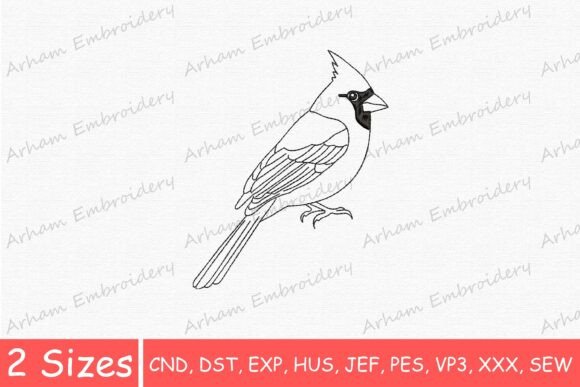
Cardinal Bird: A Designer’s Stitch Review
When evaluating a new machine embroidery design for my studio, I look past the digital preview and focus entirely on how the file translates to physical thread. The Cardinal Bird embroidery design presents itself as a timeless stitch pattern, but as any experienced maker knows, a beautiful screen capture does not always guarantee a clean stitch-out. After reviewing this design with the intent of using it for both client work and personal inventory, I have gathered specific insights on where this elegant motif truly shines and where it requires careful handling.
First Impressions and Visual Personality
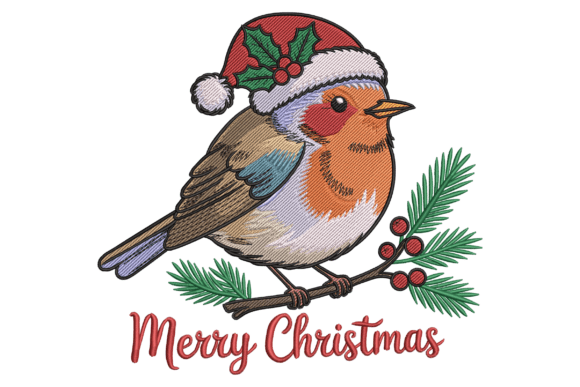
The immediate strength of the Cardinal Bird lies in its silhouette and emotional resonance. Unlike generic clip-art style birds, this design carries a sense of weight and tradition that appeals specifically to nature lovers and those seeking classic aesthetics. The layout feels balanced, suggesting that the digitizer understood the importance of negative space within the bird's form. For an Etsy seller or boutique owner, this visual personality is crucial because it communicates quality before the customer even touches the fabric. It avoids the overly cartoonish look that can cheapen a handmade product, positioning it instead as a premium asset for adult apparel and sophisticated home decor.
From a technical standpoint, the design appears to utilize a thoughtful mix of stitch types. The interplay between potential satin stitch outlines and fill stitch areas suggests good texture variation. This is vital for preventing the "bulletproof" effect where dense embroidery becomes stiff and unappealing. When I assess a digital embroidery file, I am looking for this balance; if the Cardinal Bird relies too heavily on dense fills, it will pucker lightweight fabrics. However, based on its elegant description, it seems optimized for visibility without excessive bulk, making it a strong candidate for mixed-media projects.
Real-World Application: The Sweatshirt Test
To truly judge this design, I mentally placed it in a real production scenario: creating a custom embroidered sweatshirt for a holiday capsule collection. Sweatshirts are a staple for small shop products, but fleece and French terry fabrics are notoriously tricky due to their stretch and pile. In this context, the Cardinal Bird serves as an excellent focal point for left-chest placement or centered back designs.
For this specific sweatshirt embroidery project, the design’s elegance elevates the garment from basic loungewear to a boutique-level piece. I envision pairing it with cream, sage green, or charcoal base colors. The key here is stabilization. Because the cardinal likely contains detailed feathering or curved lines, using a high-quality cut-away stabilizer is non-negotiable to prevent distortion during washing. If you are an apparel decorator, test the stitch density on a scrap of your exact sweatshirt material first. Fleece tends to swallow stitches; if the Cardinal Bird loses definition on your test run, you may need to add a water-soluble topping to keep the stitches sitting proudly on top of the fabric texture.
Versatility Across Products and Fabrics
Beyond apparel, this design shows significant promise for other embroidery projects. Its timeless nature makes it particularly suitable for holiday embroidery and winter-themed goods. I can easily see this working beautifully on linen tea towels, cotton tote bags, or nursery pillow covers. For baby embroidery, the softness of the cardinal theme is appropriate, though I would advise verifying the final size. Large, dense designs can be uncomfortable against infant skin, so resizing for onesies or bibs must be done with caution to maintain stitch integrity.
For makers producing custom apparel or accessories like caps, the curvature of the design matters. Caps require designs that are specifically digitized for curved surfaces to avoid registration issues. While the Cardinal Bird is elegant, always confirm if the file includes a cap-specific version or if it is intended for flat hooping only. Similarly, for tote bag design work, consider the canvas weight. A sturdy 12oz canvas will support the design better than a thin promotional tote, which might tunnel under the needle if the stitch count is high.
Critical Considerations for Makers
While the Cardinal Bird is versatile, there are specific environments where it demands extra attention. Experienced designers know that dark fabrics can sometimes obscure detail unless there is sufficient contrast in the thread colors. If stitching on navy or black, ensure the red tones of the cardinal are vibrant enough to pop, or consider adding a subtle outline to define the edges against the dark background.
Furthermore, be wary of using this design on highly textured fabrics like boucle or thick knits without proper testing. The intricate details that make the cardinal elegant can get lost in the weave. For these materials, a simpler version or an applique design variation might be safer. Also, check the minimum recommended hoop size. Shrinking a complex bird design below its safe threshold can cause thread breaks and poor registration. Always respect the digitizer’s limits to ensure your finished product looks professional.
Business Value and Professional Presentation
For creative entrepreneurs, the value of an embroidery design extends beyond the stitch-out; it includes how well it markets itself. The Cardinal Bird has high giftability factor, making it ideal for personalized gift listings. When creating printable mockups or listing photos, this design photographs well because of its distinct shape and recognizable subject matter. Customers instantly connect with the symbolism of the cardinal, reducing the friction in the buying process.
If you are selling design assets or finished goods commercially, verify the licensing terms associated with this specific file. Ensure you have the right to use it for commercial embroidery on items for sale versus personal use only. Protecting your business means respecting intellectual property while leveraging high-quality designs to build brand consistency. A cohesive collection featuring the Cardinal Bird across sweatshirts, mugs, and ornaments creates a recognizable brand identity that fosters customer trust and repeat sales.
Designer Notes for Best Results
- Test Before Production: Never run the Cardinal Bird directly on a final garment without a test stitch-out on similar fabric to check tension and density.
- Thread Contrast: Evaluate your thread palette against the fabric color. Subtle tone-on-tone stitching looks luxurious but requires perfect tension; high contrast hides minor imperfections.
- Stabilizer Selection: Match your stabilizer to the fabric weight. Use tear-away for stable woven fabrics and cut-away for stretchy knits used in custom apparel.
- Detail Inspection: Zoom in on the embroidery file in your software to check for tiny jump stitches or overlapping satin columns that could cause production delays.
- Mockup Verification: Create black and white mockups to test the design’s readability without relying solely on color contrast.
- Licensing Check: Confirm whether the file allows for modification, resizing, or commercial sale of the digital embroidery file itself versus just the physical end product.
Ultimately, the Cardinal Bird embroidery design offers a blend of aesthetic appeal and practical utility that suits a wide range of makers. Whether you are crafting a heartfelt personalized gift or stocking your Etsy shop with seasonal bestsellers, this design provides a solid foundation for beautiful needlework. By approaching it with a professional mindset—testing thoroughly, respecting fabric limitations, and presenting it thoughtfully—you transform a simple digital file into a tangible, cherished object. It is this attention to the reality of stitching that separates hobbyist attempts from professional-grade handmade products.