Afro Hair Embroidery: A Designer’s Practical Review
As an embroidery designer constantly sourcing fresh assets for commercial projects, I approach every new machine embroidery design with a healthy dose of skepticism. When browsing Creative Fabrica for inclusive representation, specifically designs celebrating natural textures, the "Afro Hair" collection caught my attention. While listed under the Christmas category, likely due to seasonal bundling or gift-wear potential, this design asset holds year-round value for creators focusing on diversity and cultural appreciation. My evaluation focuses strictly on stitch integrity, production viability, and how this embroidery file translates from screen to fabric in a real-world studio environment.
Visual Texture and Stitch Architecture
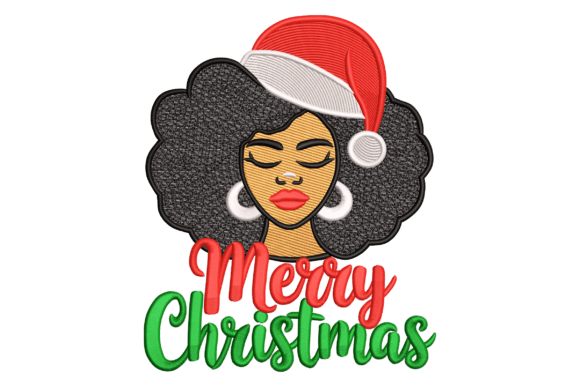
The first thing I assess in any hair-focused design is how the digitizer handled volume. Afro-textured hair is notoriously difficult to replicate in thread because it relies on negative space and complex layering rather than smooth lines. Upon inspecting the Afro Hair design, the visual mood feels celebratory and bold. Unlike generic clipart conversions, this design appears to utilize a combination of fill stitch and textured running stitch patterns to mimic the density of natural curls and coils.
For a professional result, the stitching personality must avoid looking like a solid plastic helmet. This design seems to balance stitch density well, allowing for coverage without excessive puckering. However, designers should note that textured hair designs often require more trims and color changes than standard portraits. If you are planning a high-volume production run for custom apparel, factor in the additional machine time required for these intricate details. The decorative appeal lies in its authenticity; it respects the subject matter through technical execution, making it suitable for high-end handmade products rather than just novelty items.
Real-World Application: Apparel and Accessories
I evaluated this design with specific client orders in mind. For sweatshirt embroidery, particularly on heavy cotton fleece, the Afro Hair design provides excellent contrast. The texture of the sweatshirt complements the textured stitching of the hair, creating a cohesive tactile experience. When used on a crewneck or hoodie, ensure your hoop size accommodates the full silhouette without distorting the proportions. Distortion in hair designs is immediately noticeable and can ruin the respectful representation intended by the art.
For smaller applications like caps or patches, caution is necessary. Curved cap surfaces can compress detailed fill stitches. If using this as a tote bag design or for an embroidered patch, verify that the smallest details remain distinct at reduced sizes. I recommend testing a scaled-down version on scrap canvas before committing to a final product. Tote bags offer a flat, stable surface that is ideal for showcasing the intricate layering of this design, making them a safer bet for first-time users of this specific file.
Navigating Fabric Variables and Stabilization
Practical use varies significantly based on substrate. When stitching Afro Hair onto stretchy fabrics like jersey knits for baby items or t-shirts, proper stabilization is non-negotiable. Because hair designs often have variable density—dense at the roots and lighter at the edges—they can cause tunneling if the fabric isn't adequately supported. I recommend using a cut-away stabilizer for any wearable application to maintain registration between the hair outline and internal texture details.
Dark fabrics present another challenge. If the design includes skin tones alongside the hair, ensure the thread colors provide sufficient contrast against both the fabric and each other. On black or navy garments, the hair definition might get lost unless there is a highlight element or a lighter background shape incorporated into the digitizing. Always compare light and dark fabric mockups before production. For kitchen towels or pillow covers, which face frequent washing, check that the satin stitch borders (if present) are secure enough to withstand laundering without fraying. Textured fill stitches generally hold up better than long satin spans in high-wear scenarios.
Commercial Viability and Brand Value
For Etsy sellers and boutique owners, representation matters deeply to buyers. Using a high-quality Afro Hair design signals inclusivity and attention to detail, directly impacting buyer trust and perceived product value. This isn't just about aesthetics; it's about market relevance. A well-executed personalized gift featuring this design can resonate emotionally with customers seeking items that reflect their identity, leading to higher engagement and repeat business.
However, commercial success depends on presentation. When creating a printable mockup or listing photos, ensure the embroidery is photographed in good lighting to capture the thread texture. Flat digital renders often fail to convey the dimensionality of textured hair stitching. Showcasing the actual finished product helps manage customer expectations regarding size and detail. Furthermore, verify the licensing terms on the Creative Fabrica product page before selling. Confirm whether the license covers physical end products, digital files, or both. Protecting your business means respecting the intellectual property of the digitizer while delivering quality to your clients.
Essential Pre-Production Checklist
Before loading this digital embroidery file for a paid order, follow this practical workflow to ensure professional results:
- Test on Scrap Fabric: Never stitch a complex hair design directly on a final garment without a test run. Use fabric that matches the weight and stretch of your final project.
- Verify Hoop Compatibility: Check the exact dimensions of the design against your available hoops. Resizing textured fills can sometimes alter stitch angles, so test any significant resizing.
- Review Thread Chart: Cross-reference the included color sheet with your thread inventory. Afro hair often requires multiple shades of brown or black to create depth; running out of a specific shade mid-production causes delays.
- Inspect Small Details: After your test stitch-out, examine the edges and internal transitions. If the registration is off, adjust your tension or stabilizer setup before proceeding.
- Confirm File Formats: Ensure the download includes the specific format your machine reads best. Some machines handle complex fills better in native formats versus universal ones like DST.
- Check License Scope: Re-read the Creative Fabrica license specifically for this item to confirm it permits your intended commercial use, whether for physical goods or digital assets.
Final Thoughts for the Working Designer
The Afro Hair design from Creative Fabrica offers a valuable asset for designers prioritizing diversity in their catalog. Its strength lies in its textural approach to digitizing, which elevates it above standard flat artwork. Whether you are creating commercial embroidery for a holiday market or fulfilling custom requests for nursery decor, this design has the potential to perform beautifully if treated with technical respect. Success comes from understanding the interplay between stitch type, fabric choice, and stabilization. By approaching this file with a professional mindset and rigorous testing protocol, you can transform a digital download into a meaningful, high-quality handmade product that stands out in a crowded marketplace.